5 Takeaways From Visiting NYC Classrooms
Written by
Alan is the founder and CEO of Flexspeak. He is a licensed speech-language pathologist with lived experience as a person who stutters.
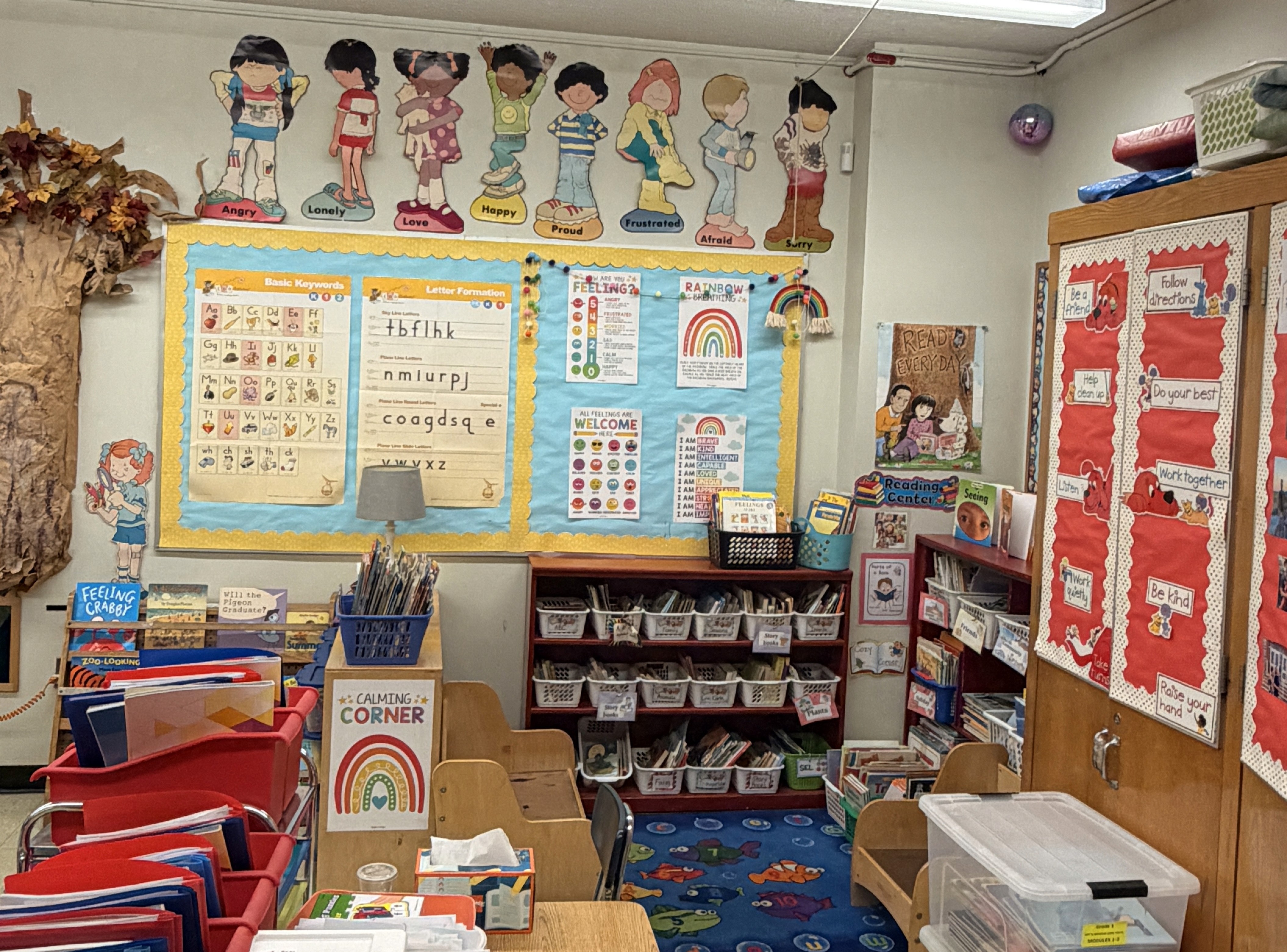
A few weeks ago, our team visited over a dozen classrooms across several schools in New York City.
While we come from school-based SLP backgrounds, there’s no substitute for walking the halls, sitting in classrooms, and talking to the people doing this work every day. Here’s what we took away.
1. Time is the biggest bottleneck.
Across every school we visited, we heard the same thing: adapting curriculum for students takes enormous time. It’s not a lack of will - it’s a lack of hours in the day.
One special educator put it simply: she’ll have an idea at 8 am, but by the time she’s gotten through her classes and managed students and staff all day, 3 pm hits and she’s cognitively drained. The capacity to sit down and create communication supports and visual materials just isn’t there anymore.
This isn’t an individual problem. It’s a systemic one.
2. Inclusion is not a dirty word.
We saw some of the most thoughtful inclusion models we’ve encountered. Special education, dual immersion programs, and evidence-based curriculum aren’t siloed - they’re woven together.
We saw classrooms with visuals in both English and Mandarin. Culturally and linguistically responsive instruction is a core part of the curriculum, grounded in translanguaging research. It was genuinely inspiring.

3. LRE requires real planning and real resources.
Least restrictive environment is worth advocating for - and it’s also worth naming how much work it takes to get there. Students with disabilities and emergent multilingual learners face real barriers in general education classrooms. Meaningful inclusion requires thoughtful accommodations, not just good intentions.
4. Shared language is what makes collaboration possible.
Teachers and administrators bring pedagogical frameworks. SLPs bring clinical language. What bridges these worlds are frameworks like UDL and MTSS. When everyone is working from a shared vocabulary, collaboration becomes so much easier - and students benefit.
5. When leadership and those on the ground are aligned, amazing things happen.
At one school, the special education administrator was clearly a familiar face - staff knew her name, the rapport was palpable. That kind of consistent, present leadership makes a difference. It’s a stark contrast to schools in flux, where buy-in is inconsistent and educators are left to navigate on their own.
We built Flexspeak Studio because we lived this. The 8 am idea that never makes it to 3 pm — that’s exactly the problem we’re trying to solve.
Some educators we met had already used Studio and told us this was something they had desperately needed for a long time. Others were seeing it for the first time, but immediately understood how it could support both staff and students.
That response mattered to us. Studio doesn’t replace educator expertise. The instructional goals, clinical judgment, and knowledge of each student still come from the people doing the work. Studio helps remove the manual busy work between a good idea and a usable support.
Whether you’re an educator navigating systemic constraints or someone who simply hasn’t had enough time, we see you. We are grateful for the work you do every day.
For those heading into summer break, enjoy it. You’ve earned it.
And when you’re ready to build capacity for next school year, we’d love to help.